


«If I were to write a hymn to all life on Earth, I would begin with a glorious song in honor of Water and end with the gratefulness for this life-giving juice». – Mykola Mishchenko
The Styr River, originating from numerous springs in the Voronyaki hills, is Lutsk’s main waterway. The river flows inside the Lviv, Rivne and Volyn regions, after which it crosses the border with the Brest region (Belarus), where it flows into the Pripyat River (Dnieper basin).
Ancient civilizations relied on rivers for transportation and water, leading to the establishment of settlements and cities along their banks. This is how our city, Lutsk, arose on the shores of the Styr hundreds of years ago. The river’s name is believed to derive from its tendency to overflow its banks and flood surrounding meadows, as the Proto-Slavic hydronym «*sterti» translates to «to expand.»
Until the 20th century, the Styr regularly flooded for hundreds of meters, creating new fortifications and a significant barrier for enemies.
The city effectively became an island. The traces of these river floods can be found both in the chronicles of the Middle Ages, and in drawings and photographs of the 19th and 20th centuries. The Styr was almost the most important trade route for the city. Traders sailed down from the flow to Galicia, or upstream from the Pripyat, to Pinsk, and further to Kyiv. Over time, the ships that sailed along the Styr changed: over 1000 years ago, local people used dugouts – boats carved from a tree trunk. On such boats, salt was transported from the Carpathians to Kyiv through Lutsk along the Styr.
Lutsk’s dam construction in the early 20th century curtailed the Styr’s defensive role. A park was planted in place of the former floodplains, but shipping continued until the mid-1990s.
Today, the Styr stretches 494 km long. The Khrinnytske Reservoir, built in 1957 to power the Khrinnytske HPP and provide recreation and fishing opportunities, is the largest artificial reservoir in the Styr basin. In 2014, the Styr was classified as a very large river according to the Water Framework Directive, with a basin area of 13,100 km², but under the Water Code of Ukraine, it remains a middle river.
The section of the Styr River that flows through the Lutsk urban territorial community is about 25 kilometers long. And stretches from the village of Rovanci to the urban village of Rokyni. It is characterized by its depth, three meanders, and a sandy-clay bottom. The river valley and three tributaries, the right-bank Sapalaivka and the left-bank Zhiduvka and Omelyanyk, are also present within Lutsk. The «Hnidavske Boloto» nature reserve, established to preserve part of the Styr River’s swampy left bank floodplain, is closely linked to the Styr within Lutsk.
This place is home to numerous rare plants and is a nesting place for waterfowl.
Lutsk has a long history of shipping, so water transport on the Styr is not something new. Historically, the Styr is considered the main navigable river in Volyn, which played an important role in cabotage passenger and freight transportation from Berestets to Pinsk (Republic of Belarus) from 1952 to 1996.
In our time, within the city of Lutsk, a complex of works is being carried out to clean the beds and restore navigation, primarily for tourist purposes. That is why docks for boarding and disembarking passengers were installed at the beach in Lesya Ukrainka Central Park of Culture and Recreation and near the House of the sculptor Mykola Holovan.
The Styr River offers picturesque landscapes, best viewed from the water. Boats operate along the river through the city during the tourist season, providing tourists with a unique perspective of Lutsk’s historical, architectural, and natural attractions, including the Old Town panorama, Lutsk Castle, the Lutheran Church, the city beach, the Central Park, and the river’s scenic banks. Simultaneously, tourists can enjoy guided tours about the city, its sights, the Styr River, and the history of navigation in Lutsk.
The river also provides many opportunities for recreation and relaxation for Lutsk residents and visitors. The central beach features rest areas and a sports ground for those seeking exercise or healthy activities. Slopes with stairs lead to the water, and a special lifeguard post. Food festivals and various celebrations, including Ivan Kupala and Epiphany, are held near the river. Kayaking and standup paddleboarding (SUP) offer additional opportunities for exciting holidays and events. Raft sections include easy routes along the Styr River with a calm current, ideal for beginners and family outings.
This section has been developed with the financial support of the European Union within the framework of the international grant project «Promotion and protection of the natural heritage of urban rivers and coastal areas of Rzeszów and Lutsk» of the Cross-border Cooperation Programme Poland-Belarus-Ukraine 2014-2020 of the European Neighbourhood Instrument. The contents of this section are the sole responsibility of the Executive Committee of Lutsk City Council and do not reflect the views of the European Union.


Photo by Viktor Petruk
24 hours a day
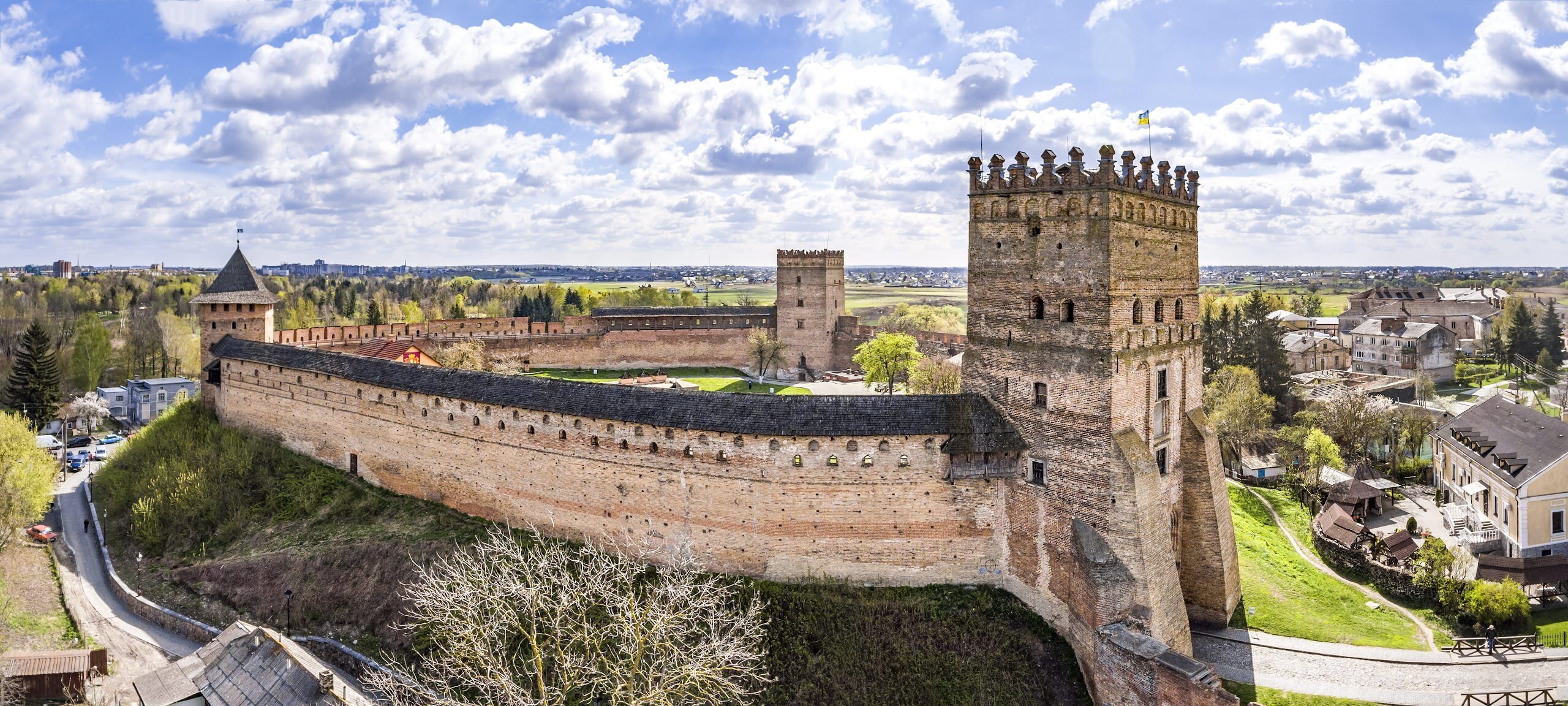
We invite you to visit the main tourist site of Lutsk – a medieval castle of the XIV century. It won first place in the category “castles” of the All-Ukrainian competition “Seven Wonders of Ukraine: castles, palaces, fortresses”.

Mision of the museum is to create museum institution of the highest level that changes past, reflects present and creates future to develop the nation spirituality and promote Ukrainian art in the world. Here you can see the largest painting in the world – “Cosmogony”, covering an area of over 2000 square meters.
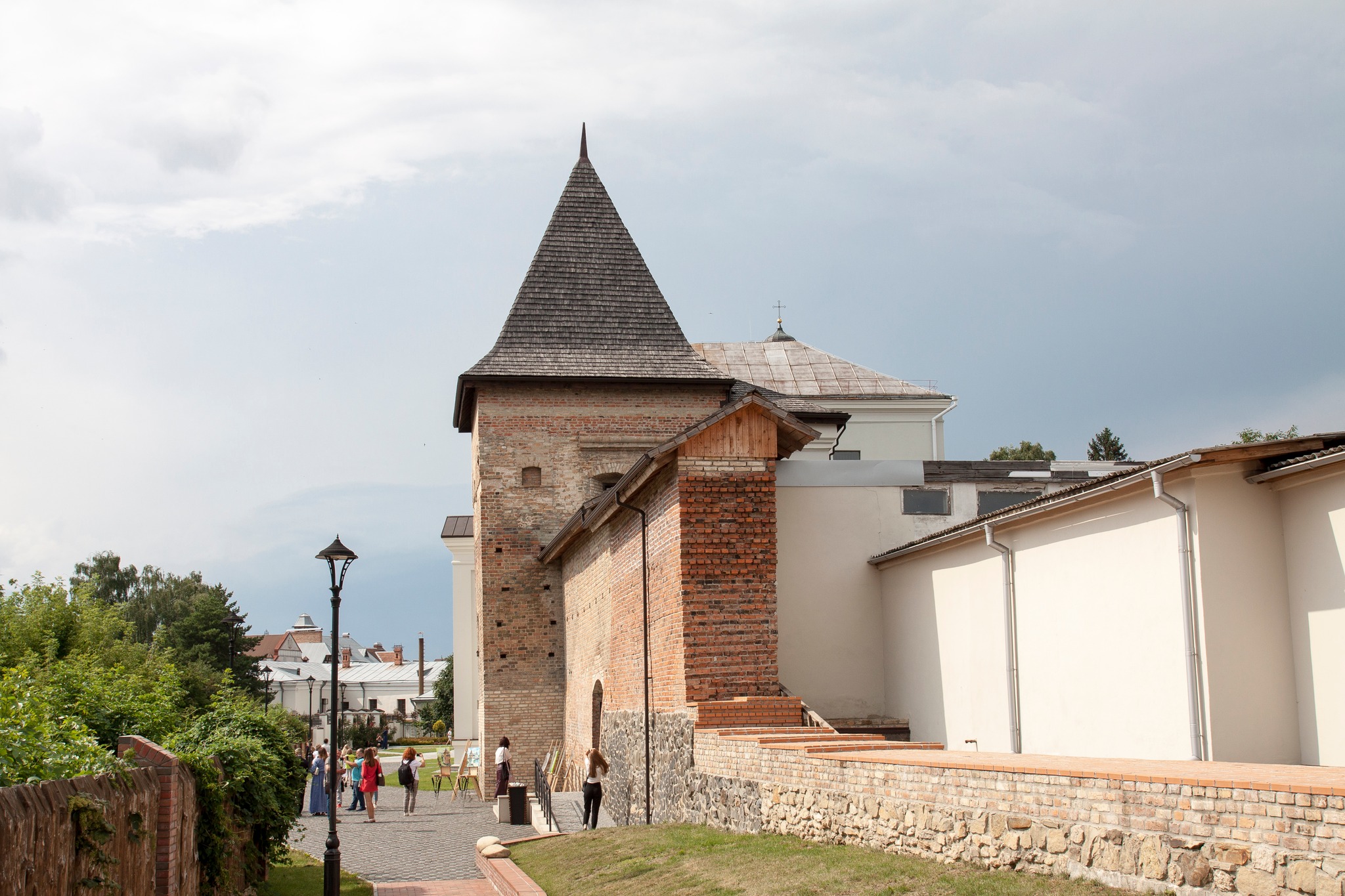
The Chortoryiski princes Tower is the only one of the 8 towers of the Lutsk Lower (Okolnyi) Castle that has survived to this day. The Museum space «Okolnyi Castle» is a modern historical part of the defensive structure of Lutsk from the 14th – 17th centuries. The Upper Lutsk Castle was rebuilt from wooden fortifications to stone ones between the late 14th and 15th centuries. The first line of defensive of the Upper Castle, the Okolnyi Castle, began its transformation in the early 16th century, when wooden towers were gradually replaced with stone structures.
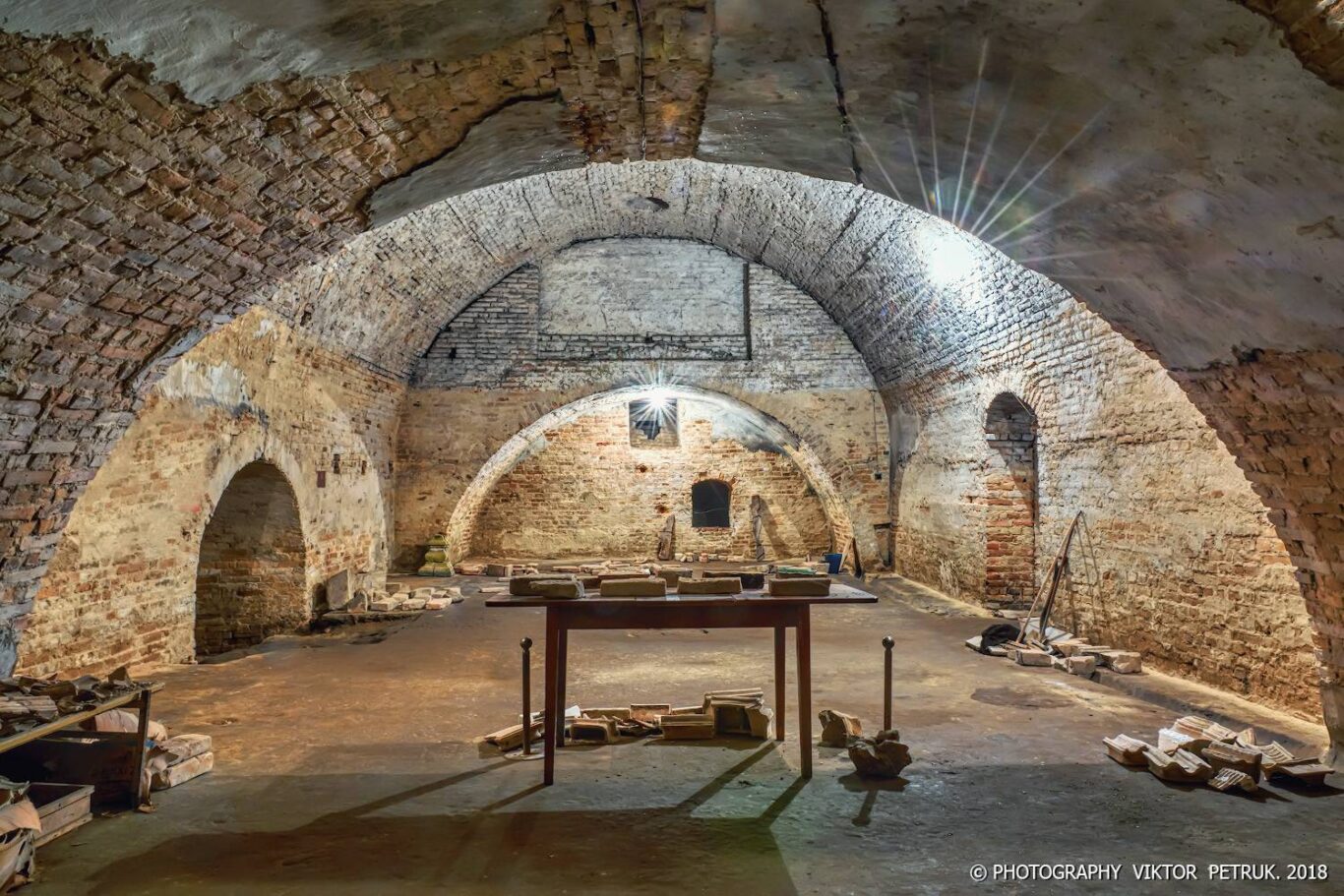
In addition to the above-ground city, Lutsk has an extensive network of underground tunnels. The two levels of the underground city housed sacred objects, a refectory, a prison, and tombs. There are many legends about the unique two-level underground complex, the entrance to which is located beneath the Cathedral of St. Peter and St. Paul. Their height is particularly impressive, reaching almost 8 meters in some places.

Lutheran church (now Baptist) in Lutsk an architectural monument, located on Karaimska Street, 1 in the State Historical and Cultural Reserve “Old Lutsk”.
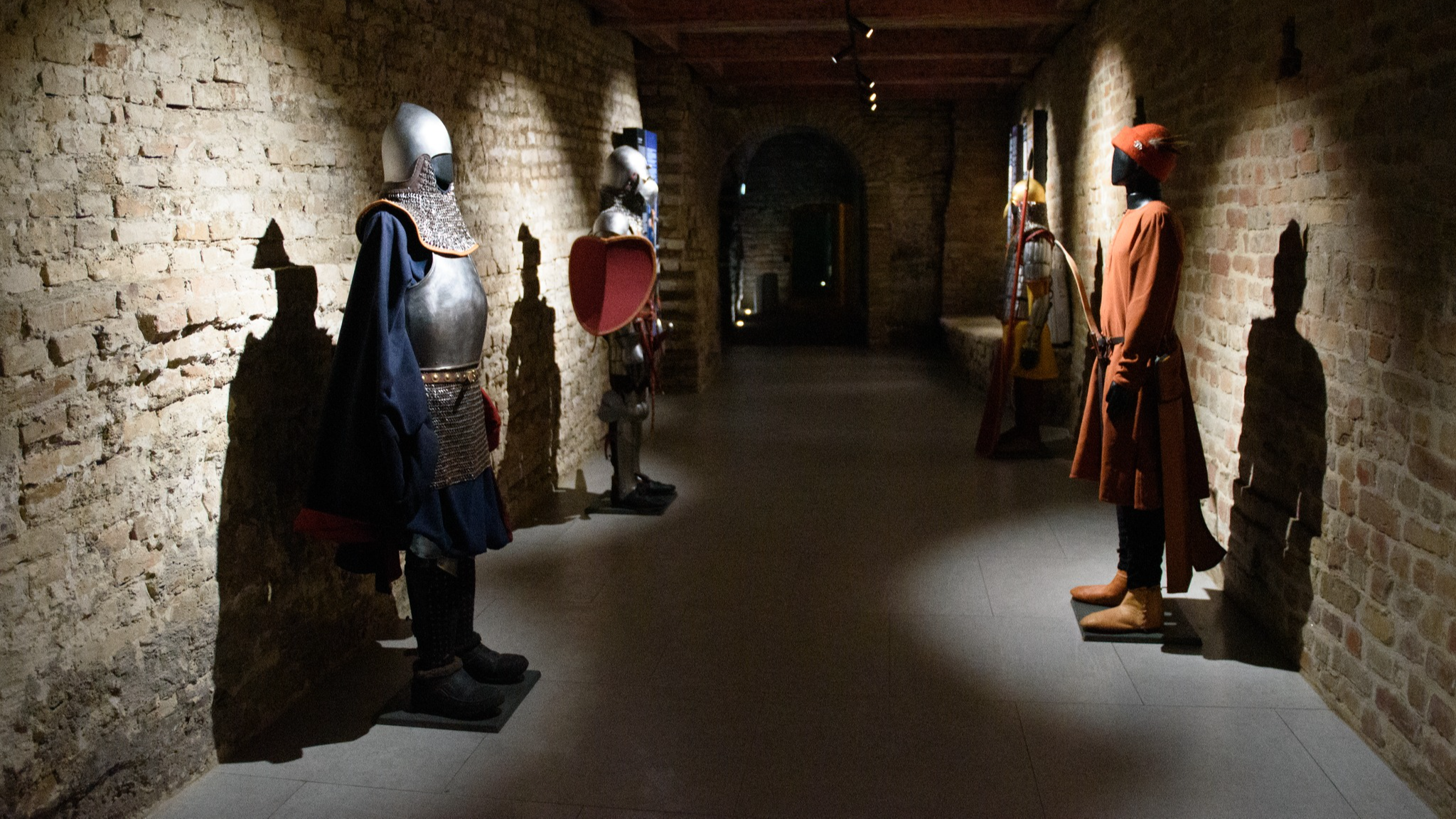
The Museum Space «Okolnyi Castle» is a new tourist attraction created on the basis of restored architectural monuments of national importance: the Chortoryiski princes tower with part of the defensive wall and the Jesuit Monastery with its dungeons.
